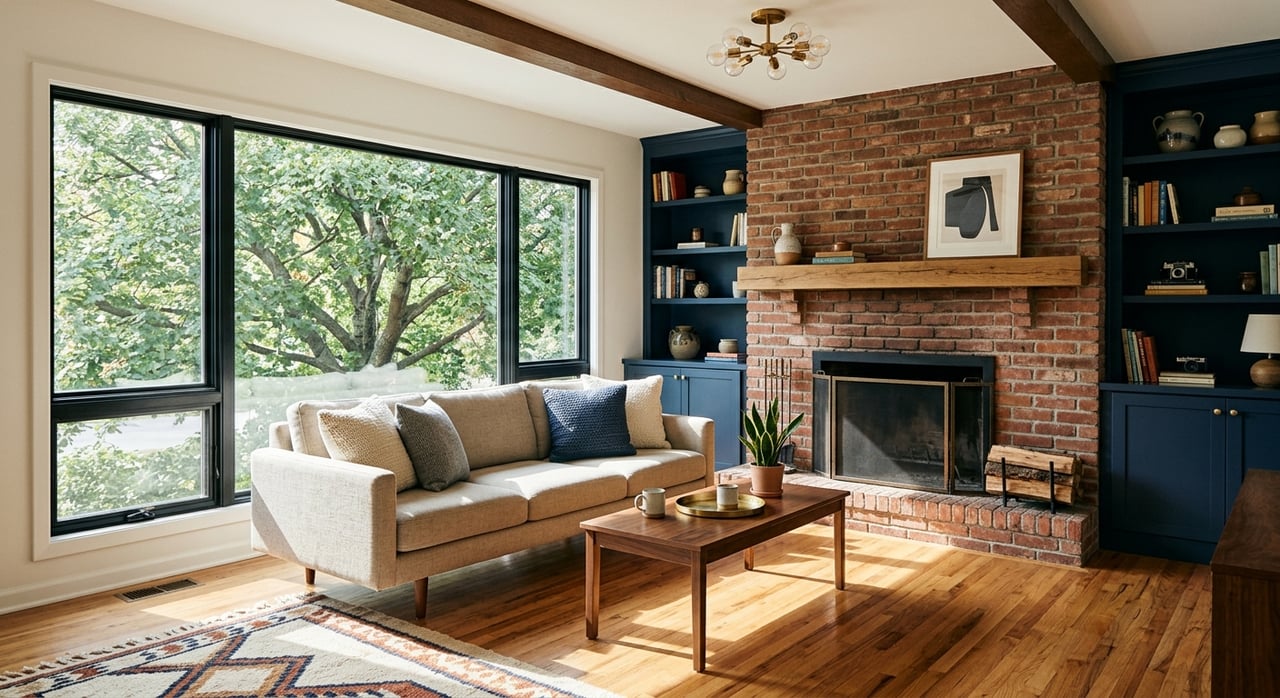
If you own an older home in Littleton, you may be wondering whether you need to pour money into a full remodel before you sell. The good news is that you usually do not. In a city where older housing stock is a normal part of the market, buyers often respond best to homes that feel well cared for, clean, and easy to understand. This guide will help you focus on the updates that matter most, avoid expensive over-improvements, and prepare your home for a smoother sale. Let’s dive in.
Why older homes fit Littleton
Older homes are part of Littleton’s identity, not an exception to it. The City of Littleton’s housing study found that 53% of owner-occupied homes were built before 1980, which shows how common established neighborhoods and older properties are in the area.
That matters when you sell. You are not trying to make your home look brand new at all costs. You are trying to present it as well maintained, functional, and inviting in a market where character and history already have a place.
Littleton also has historic districts and landmarks that reflect the city’s focus on preservation. In some cases, especially with designated properties, exterior changes may require city review, while interior work does not. That is one more reason to think carefully before starting a major exterior project just to get ready for the market.
Focus on updates buyers notice first
When sellers over-renovate, they often spend the most on the things buyers may not value enough to justify the cost. In many older Littleton homes, the better strategy is to remove distractions and improve presentation.
The most effective pre-listing updates are usually simple, visible, and low disruption. These are the changes that can make your home feel fresh without turning the sale into a construction project.
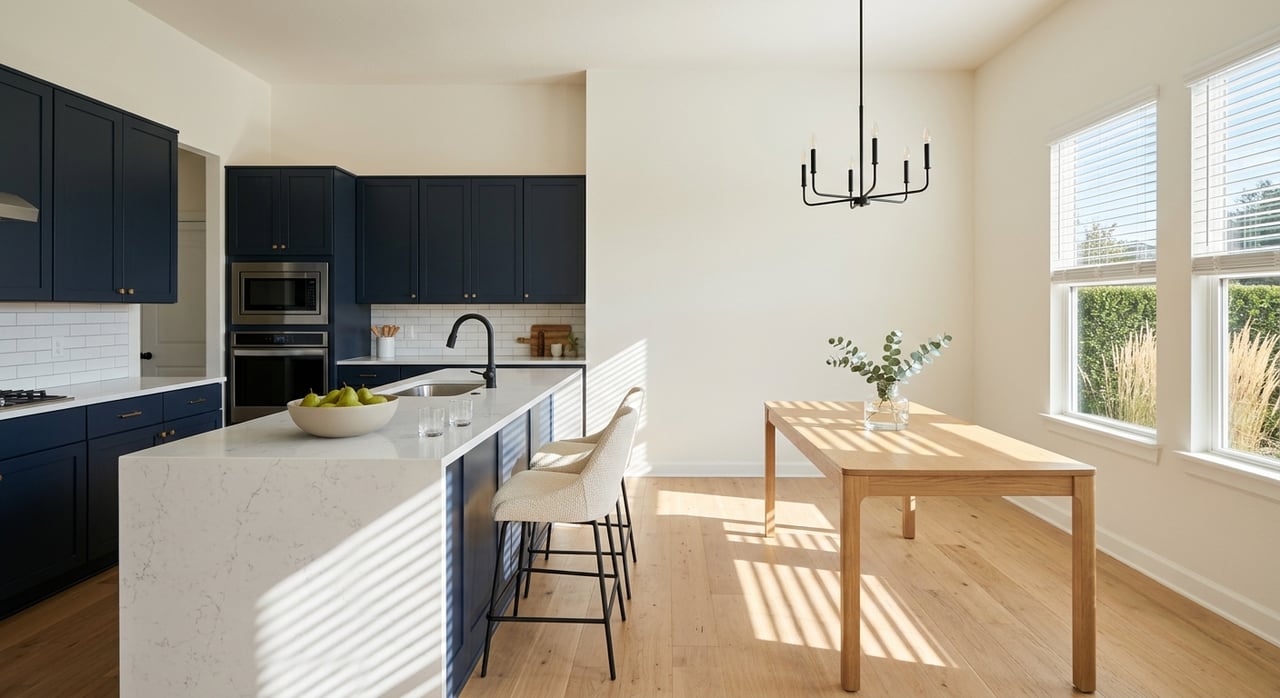
Best cosmetic updates before listing
- Fresh, neutral paint
- Better lighting in darker rooms
- Deep cleaning from top to bottom
- Decluttering and simplifying decor
- Fixing obvious wear on floors and finishes
- Replacing carpet if it feels visibly worn or dated
These improvements align with staging guidance that emphasizes light, neutrality, and clean visual flow. They help buyers focus on the space itself instead of small condition issues.
Why staging and presentation matter
You do not need a full remodel to make an older home feel appealing online and in person. A polished presentation often does more to shape buyer interest than expensive renovations.
According to NAR’s 2025 staging report, 83% of buyers’ agents said staging makes it easier for buyers to visualize a property as a future home. The rooms most often seen as important to stage were the living room, primary bedroom, and kitchen.
That is useful if you are trying to spend wisely. Instead of renovating every room, it may make more sense to prioritize how key spaces look in photos and showings.
Listing elements that can strengthen your launch
- Professional photos
- Traditional staging where needed
- Video marketing
- Virtual tours
- Virtual staging for vacant or lightly furnished rooms
The same NAR report found that buyers’ agents consider photos, physical staging, videos, and virtual tours important listing tools. For many older homes, this kind of marketing package can highlight charm and livability without requiring a major remodel.
What not to over-renovate
A full renovation can seem like the safest choice, but it often brings extra cost, more time, and more decisions than sellers expect. In Littleton, permits are required for many types of work, including construction, enlargement, alteration, repair, or replacement of electrical, gas, mechanical, and plumbing systems. Even fences and decks require permits.
That means bigger projects can quickly become more complex than planned. If your goal is to sell within a reasonable timeline, major improvements can slow you down and create new paperwork to manage.
If your home is a designated historic property or located in a historic district, exterior modifications and additions require city approval. That can make large exterior modernization projects especially high friction compared with basic maintenance and cosmetic refreshes.
Renovations to think twice about
- Tearing out functional original features just because they are older
- Major kitchen or bath remodels started only for resale
- Large exterior redesigns
- Deck, fence, or addition projects without checking permit requirements
- System upgrades started late in the selling timeline
In many cases, preserving original elements that are still in good shape is a smarter move than replacing them. Buyers in Littleton may appreciate a home that feels authentic, cared for, and clearly maintained.
Sell the charm, not the age
Older homes often need a different story than newer ones. Instead of apologizing for age, your listing should show buyers what has been updated, what has been maintained, and what original features still add character.
Littleton’s preservation framework reflects the value the city places on architectural identity. That creates space for a marketing message centered on character-rich, functional, and well kept rather than fully reimagined.
This approach can also help buyers feel more confident. When they can clearly see the home’s condition, layout, and style, they are better able to picture how they would live there.
A smart way to frame an older home
Focus your prep and marketing around three clear categories:
- Updated: Paint, lighting, flooring fixes, hardware, refreshed spaces
- Maintained: Roof history, HVAC service, repairs, radon mitigation, general upkeep
- Original: Built-ins, trim, brick, layout details, or features that still function well
That kind of clarity helps buyers understand the home without assuming they are walking into a project.
Gather disclosures and records early
For older homes, paperwork matters almost as much as presentation. One of the best ways to reduce stress before listing is to gather records early, before your home goes live.
Colorado’s seller disclosure forms are based on your current actual knowledge, and changes must be disclosed promptly after discovery. The forms also ask sellers to provide reports or records they have, which makes it helpful to organize documents in advance.
The city’s seller disclosure supplement also asks whether additions or non-aesthetic alterations were completed without a building permit. Even a project that seemed minor at the time can create questions later if records are missing.
Important items to collect for an older Littleton home
- Permit records for past improvements
- Receipts and repair history
- Inspection reports you already have
- Information about any additions or changes
- Radon test results and mitigation records
- Lead-based paint documents for homes built before 1978
This step can make your sale smoother because it helps answer buyer questions early and reduces surprises during contract negotiations.
Know the key older-home disclosure issues
If your home was built before 1978, federal law requires disclosure of known lead-based paint information before the sale. Buyers must also be given the opportunity for a 10-day inspection or risk-assessment period.
Colorado also requires residential sale contracts or seller disclosures to include known radon test results, radon mitigation history, and the state radon brochure. The Colorado Department of Public Health and Environment says radon is common throughout Colorado, and testing is the only way to know whether a home has a radon issue.
These are not details to leave until the last minute. If you gather this information early, you can move through the listing process with more confidence and fewer delays.
A practical pre-listing plan
If you are selling an older Littleton home, your goal is not to erase every sign of age. Your goal is to make the home feel cared for, easy to understand, and ready for the next owner.
A clear plan can help you avoid spending where it does not count. It also keeps you focused on the updates that improve buyer perception without dragging you into a long renovation cycle.
A simple strategy to follow
- Walk through the home and note visible distractions.
- Prioritize paint, lighting, cleaning, and flooring fixes.
- Identify any historic district or landmark issues before planning exterior work.
- Check permit history for past projects.
- Gather lead, radon, repair, and maintenance documents.
- Build a marketing plan around photos, staging, and clear property storytelling.
With the right preparation, an older home can stand out for the right reasons. You do not have to over-renovate to make a strong impression.
If you are wondering which updates are worth doing before you list, Tiffany Alexander can help you create a smart, tailored plan that protects your time, budget, and bottom line.
FAQs
Should you remodel an older home before selling in Littleton?
- Usually, no. In many cases, cosmetic improvements like paint, lighting, cleaning, decluttering, and fixing worn finishes are more practical than a full remodel.
What updates matter most when selling an older Littleton home?
- The updates buyers notice first often matter most, including neutral paint, better lighting, deep cleaning, decluttering, and addressing obvious floor or finish wear.
Are permits important when selling an older home in Littleton?
- Yes. Littleton requires permits for many types of work, and Colorado disclosure forms may ask about additions or non-aesthetic changes made without permits.
What if your Littleton home is in a historic district?
- If the property is designated or located in a historic district, exterior changes and additions may require city approval, while interior work does not require approval.
What disclosures should sellers prepare for an older Colorado home?
- Sellers should gather permit records, repair history, radon results or mitigation records, and lead-based paint documents if the home was built before 1978.
Does staging help older homes sell in Littleton?
- Yes. Staging can help buyers visualize the home, and polished marketing assets like photos, video, and virtual tours can make a strong difference without requiring a major renovation.