Dreaming about more space in Parker? Buying a home on acreage can give you room to spread out, store equipment, enjoy privacy, or plan for uses that are hard to find on a standard lot. It can also come with a very different set of questions than an in-town purchase. This guide will help you understand what acreage homes near Parker often look like, what to check before you write an offer, and how to buy with more confidence. Let’s dive in.
What Acreage Homes Near Parker Often Look Like
In the Parker area, acreage homes are usually a niche part of the market rather than the norm. Recent examples in areas like Grand View Estates, Hidden Village, Sierra Vista, Butterfield, and Sterling Tree Farm have included parcels from about 2 acres to 5.41 acres.
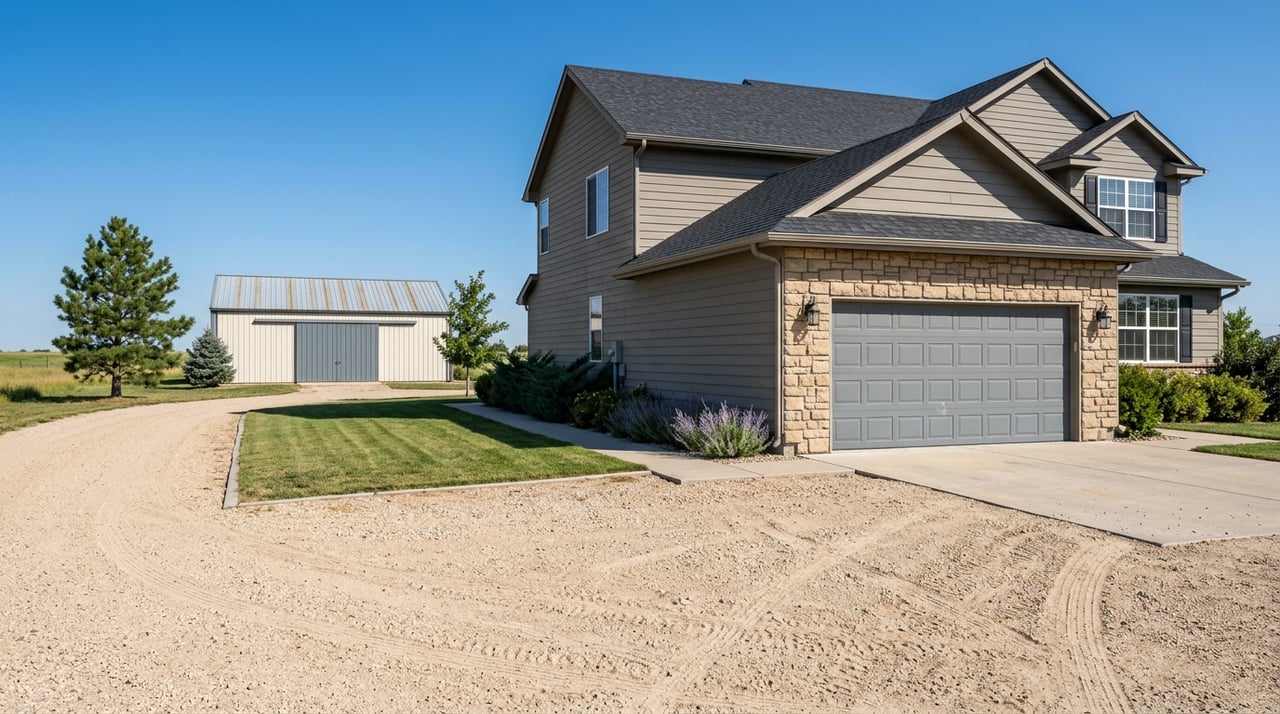
These properties are often marketed with features that support a more flexible lifestyle. You may see barns, workshops, RV parking, pools, wooded settings, or multigenerational layouts. Some are also closer to town than buyers expect, with certain larger parcels located just minutes from downtown Parker.
That mix is part of the appeal. You may be able to get more land without feeling far removed from daily errands, local events, or commuting routes. Still, the home itself is only one part of the purchase, because the land and utility setup matter just as much.
Why Utilities Matter on Acreage
One of the biggest differences with acreage in Douglas County is utility service. The county notes that parcels greater than 2 acres may be served by individual wells and septic systems, though buyers should confirm whether a specific property must connect to central water or sewer.
That parcel-specific step matters in the Parker area. Parker Water & Sanitation District serves the Town of Parker and surrounding communities, but not all town residents, so you should verify the actual provider for the property you are considering.
If a home has an individual well, you will want to understand what that well permit allows. Douglas County notes that well permits may limit irrigation, animal watering, and other uses, which can directly affect how you plan to use the land.
If a home has a septic system, maintenance becomes part of your long-term ownership plan. Douglas County recommends septic tanks be inspected every four years and pumped when scum and sludge exceed 25% of the tank’s effective volume.
What Day-to-Day Ownership Can Feel Like
Acreage ownership is often more hands-on than living in a subdivision. Instead of focusing only on the house, you may also be responsible for fencing, drainage, landscaping, weeds, and any accessory structures on the property.
That does not make acreage a bad fit. It simply means you should buy with clear expectations. A property with a barn, detached shop, extra parking, or broad outdoor space can be a great lifestyle match, but it usually comes with a larger maintenance checklist.
Douglas County’s rural guidance also reminds owners to manage noxious weeds and understand when grading permits may be required. If you are already thinking about improving the land after closing, those details are worth reviewing early.
Zoning and Future Plans Come First
If you want acreage because you have a specific use in mind, zoning should be one of your first checkpoints. Douglas County’s zoning code governs lot occupancy, setbacks, and allowed uses, so it is important to confirm what is permitted on the exact parcel before you move forward.
For example, in the LRR district, the minimum lot area is 2 acres for a lot served by an individual well and septic system and 1 acre for a lot served by central water. The county also says lot size is evaluated against adjacent uses, health requirements, water supply, septic soil suitability, and the master plan.
That means your idea for the property may depend on more than just the advertised acreage. Even if a listing mentions space for future uses, you should verify how county rules apply to that specific lot.
Thinking About Horses, Barns, or Guest Space?
Many buyers looking at acreage in Parker are hoping for room for horses, a barn, or added flexibility down the road. Douglas County says horse, llama, mule, and cow units require at least 2.3 acres, with higher animal capacity at 4.5, 9, and 35 acres.
The details matter here. If your goal is to keep animals, add structures, or create a guest living setup later, you need to confirm the zoning rules and any approval requirements before writing an offer.
Douglas County also notes that uses such as horse boarding or training, home businesses, short-term rentals, and accessory dwelling units may or may not be allowed depending on zoning and approvals. A detached ADU also has its own acreage minimum.
This is one of the biggest reasons acreage purchases benefit from a careful, process-driven approach. The right property is not just the one that looks good today. It is the one that supports the way you want to live on it over time.
Acreage Prices vs In-Town Parker
Acreage homes around Parker often sit in a different pricing lane than typical in-town neighborhoods. Over the 3 months ending April 2026, broader Parker had a median sale price of $649,665, with 402 homes sold and an average of 17 days on market.
By comparison, some in-town neighborhoods came in lower. Old Town posted a median sale price of $389,855 with 9 sales in April and 9 days on market. Clarke Farms was at $564,790 with 15 sales in April and 10 days on market, while Stroh Ranch was $544,000 at about 10.5 days on market.
Larger-lot areas can show a premium. The Pinery had a median sale price of $869,551 with 49 homes sold in April 2026, and Grand View Estates showed a $960,000 median in March 2026, though that figure came from only one sale and should be treated as a very limited signal.
The bigger takeaway is simple: acreage or larger-lot homes near Parker usually command a premium and make up a smaller, more specialized segment of the market. Even so, they are still part of a competitive local environment when priced well.
What to Check Before You Write an Offer
When you are buying acreage, your due diligence list should go beyond bedrooms, baths, and finishes. The property may support your goals beautifully, but you want the facts lined up before you commit.
Here are some smart items to review early:
- Water and sewer service for the specific parcel
- Whether the property uses a well, septic, or central utilities
- Well permit limits on irrigation, animal watering, or other uses
- Septic inspection history and current condition
- Zoning, setbacks, and allowed land uses
- Rules for animals, barns, workshops, or accessory structures
- Whether an ADU or guest space could be permitted later
- Weed management and general land upkeep needs
- Whether grading or future land changes may require permits
This kind of upfront review can help you avoid surprises. It can also help you compare two acreage homes that may look similar online but function very differently in real life.
How to Buy Acreage More Confidently
Acreage purchases reward buyers who ask better questions. Instead of only asking, “Do I like this house?” you also want to ask, “Will this land work for the way I want to live?”
That shift matters in Parker, where larger parcels can range from lifestyle-friendly retreats near town to more complex rural properties with independent systems and stricter use considerations. A thoughtful buying process gives you a clearer picture of ownership costs, maintenance needs, and future flexibility.
With the right guidance, buying on acreage does not have to feel overwhelming. It can feel exciting, informed, and aligned with your long-term plans.
If you are weighing acreage options in Parker or trying to decide whether a larger parcel fits your goals, a local, detail-oriented conversation can save you time and help you focus on the right properties. Reach out to Tiffany Alexander for a personalized home consultation.
FAQs
What does acreage housing usually look like in Parker?
- In the Parker area, acreage homes are typically a niche segment with parcels often ranging from about 2 to 5.41 acres, sometimes featuring barns, workshops, RV parking, pools, or multigenerational layouts.
Do Parker-area acreage homes always have city water and sewer?
- No. In Douglas County, parcels greater than 2 acres may use individual wells and septic systems, so utility service should always be verified for the specific property.
What should buyers know about wells on acreage in Douglas County?
- Well permits may limit uses such as irrigation, animal watering, and other activities, so you should confirm what the permit allows before buying.
How often should a septic system be checked in Douglas County?
- Douglas County recommends septic tanks be inspected every four years and pumped when scum and sludge exceed 25% of the tank’s effective volume.
Can you keep horses on acreage near Parker?
- Douglas County says horse, llama, mule, and cow units require at least 2.3 acres, with greater animal capacity tied to larger parcel sizes.
Are acreage homes near Parker usually more expensive than in-town homes?
- Often, yes. Recent market data suggest larger-lot and acreage-style homes around Parker can command a premium compared with several in-town neighborhoods, though pricing varies by area and inventory remains more specialized.