Two years ago, a Highlands Ranch seller could treat HRCA paperwork like a formality: something the title company would sort out in the background while offers rolled in fast enough to cover for any delay. That math worked when homes were moving in under three weeks and multiple offers gave sellers room to absorb a slow week here or there. It does not work the same way in 2026.
Denver Metro's July 2026 numbers, from the Denver Metro Association of Realtors, tell the story. The metro median closed price sat at $605,000, up nearly 3 percent from a year earlier but down slightly from June. Homes sold in July spent a median of 21 days on the market, up from 18 in June, though still faster than the 24-day median from July 2025. Active listings climbed to 13,115, and DMAR's Market Trends Committee chair has pointed out that even with that increase, the market carries far fewer listings than the 20,000-plus that sat on the market routinely between 2008 and 2012. The market has cooled, but it has not flooded. It has simply stopped being scarce enough to paper over a slow week.
That distinction matters because a market with 21 days of median time on market has less slack than one with 18. A three-week hold-up on a covenant approval or a resale document request is not a rounding error anymore. It is a meaningful fraction of your entire selling window, and it shows up right when buyers already have more leverage to ask for concessions on price, repairs, or closing costs.
The fee stack most sellers never budget for
Nearly every home in Highlands Ranch carries membership in the Highlands Ranch Community Association, the master association that operates the community's four recreation centers and coordinates architectural review across the entire planned community. That membership brings real value: access to shared amenities, a maintained Backcountry Wilderness Area, and a level of community upkeep that buyers do factor into their offers. It also brings a specific set of closing costs that do not show up on a standard net sheet from another market.
At current 2026 rates, HRCA charges sellers a $150 status letter, a $175 transfer fee due at closing, and a $250 estoppel certificate. On top of those one-time charges, HRCA's 2026 master assessment runs $174 per quarter, or $696 per year, billed each January, April, July, and October. Sellers typically owe one or two quarters of prorated dues at closing, and if your home also sits inside a neighborhood-level sub-association (which many do), you are managing a second set of documents, dues, and contacts on top of HRCA's.
None of these numbers are large enough to change whether a sale makes sense. What they change is timing. HRCA's own materials note that resale paperwork typically takes six to eight weeks to fully process after closing, so a seller who requests documents late in the process, rather than the week they decide to list, is the one who ends up explaining a delay to an anxious buyer instead of already having the answer in hand.
The approval that catches sellers off guard
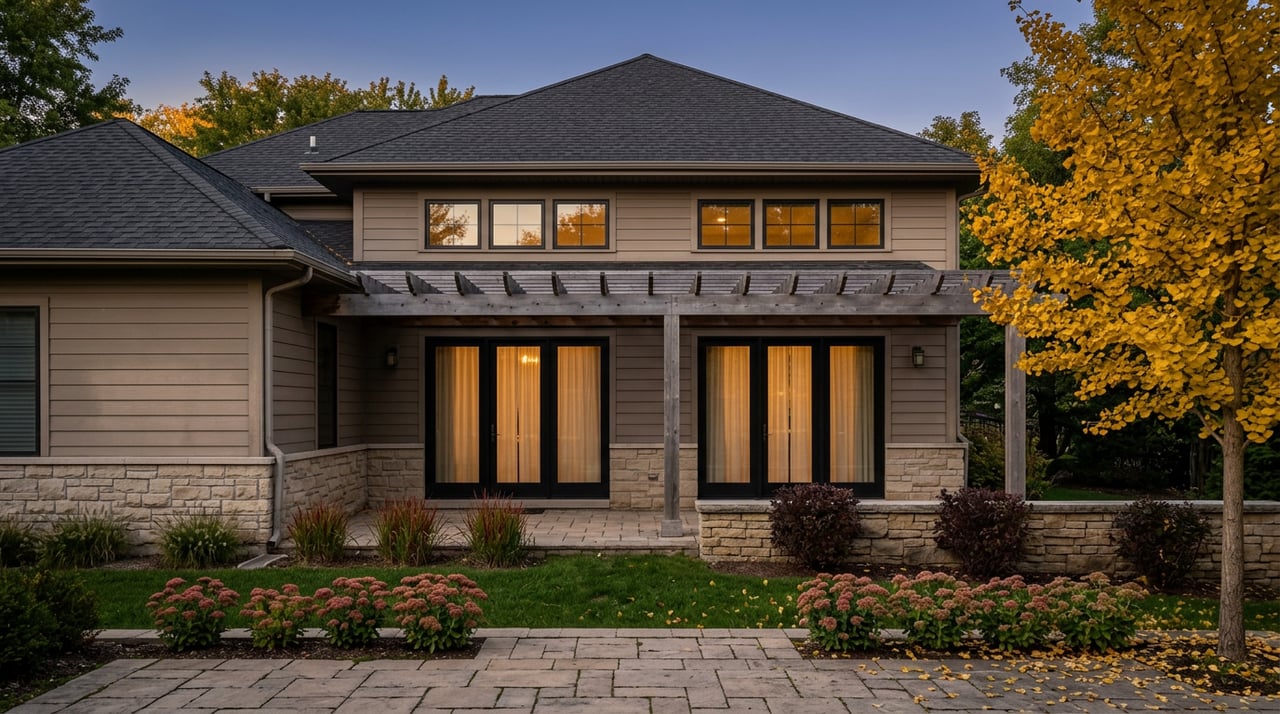
Here is the friction point that surprises people who have sold homes elsewhere in Denver. HRCA's Design Review Committee has authority over visible exterior changes across the community, and that authority extends further than most sellers expect. A new fence stain, replaced shutters, or even repainting trim in the exact same color the association already approved can require prior sign-off before you touch a brush to the house. Review typically takes two to four weeks, though it can stretch toward 30 days depending on the committee's meeting schedule, and a submission that lands right before a holiday can sit for an extra week simply because the committee did not meet in the interim.
This is not unique to one corner of the community. Sub-association rules layer on top of HRCA's core covenants throughout Highlands Ranch, covering things like yard maintenance in neighborhoods such as The Hearth and Falcon Hills, or noise expectations near shared park space in areas like Firelight and Palomino Park. If your listing plan includes cosmetic touch-ups meant to boost curb appeal before photos, the smart move is to check the approval calendar before you schedule the painter, not after.
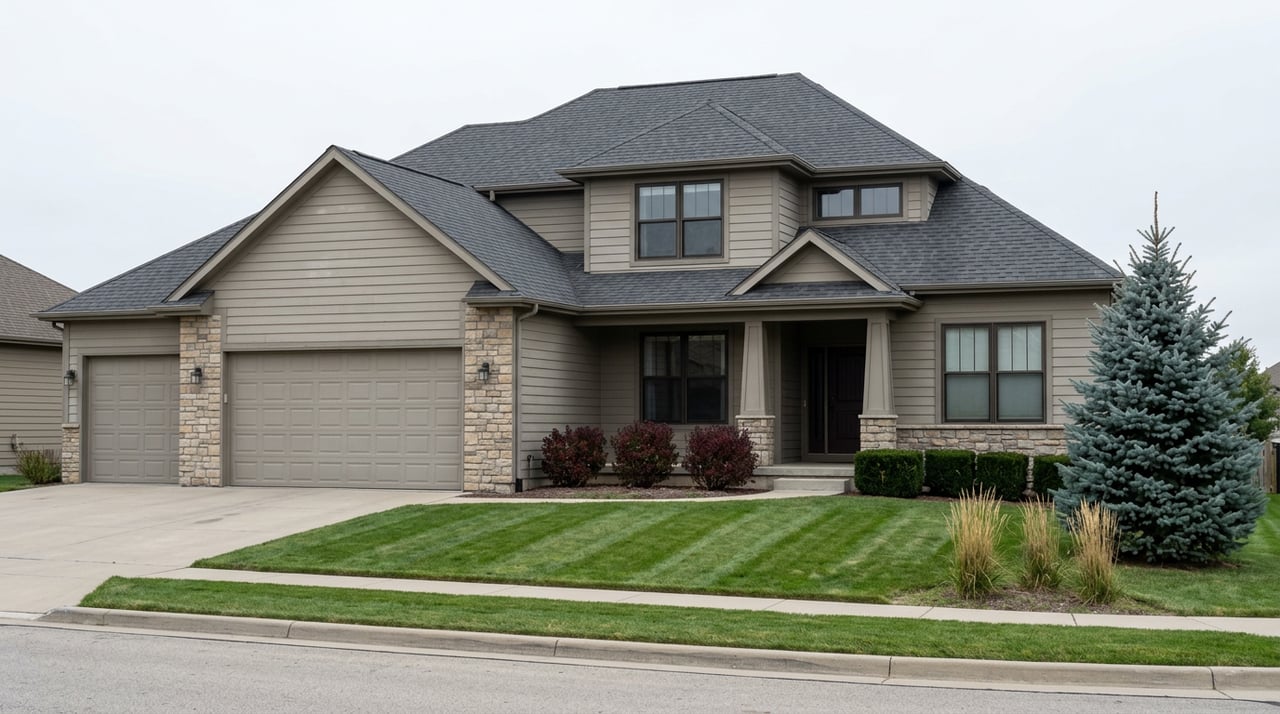
A related detail sellers sometimes overlook: HRCA and its sub-associations cannot regulate public streets or sidewalks, since those are owned and maintained by Douglas County Public Works. Trash and recycling bins, on the other hand, are association business. Containers are not supposed to sit at the curb before 7 p.m. the evening before pickup, which is a small rule until it is the reason a bin is sitting in frame during a Saturday morning showing.
A disclosure form that changed while most sellers weren't watching
Colorado sellers also have a genuinely new document to get right this year. The Colorado Real Estate Commission's updated Seller's Property Disclosure form for residential property, formally adopted on August 5, 2025, became mandatory for use starting January 1, 2026. The form requires the seller, not the broker, to complete it, and it holds the seller to a standard of "current actual knowledge" as of the date signed. If you learn something new and material about the property after signing, the form requires you to disclose it promptly, not just once at the start of the transaction.
That standard sounds straightforward until you consider how it interacts with everything above. If an HRCA or sub-association notice arrives mid-contract, whether about a covenant issue, a pending assessment, or anything else material, that notice can trigger a fresh disclosure obligation even after the original form is signed. Sellers who requested their HRCA and HOA documents early, before listing, are the ones who walk into the disclosure conversation already knowing what is on file rather than finding out from a certified letter three weeks into escrow.
Why the timing adds up differently now
None of these pieces are large on their own. A $175 transfer fee will not sink a deal. A two-week Design Review Committee review will not by itself blow up a closing timeline. But stack the resale certificate request, the sub-association contact, the exterior approval window, and a disclosure standard that requires prompt updates, and you get several independent clocks running at once, any one of which can slip.
In a market where homes sold at a median of 21 days in July 2026, up from 18 the month before, a seller who starts that clock the day they decide to list, rather than the day they sign a listing agreement, is working with real room. A seller who starts it after going under contract is negotiating from behind, right as buyers already have more standing to ask for concessions given the metro's cooler pace and lower attached-home demand this year.
This is the kind of groundwork our team walks through with every Highlands Ranch seller before a home ever goes live: pulling HRCA and any sub-association documents early, confirming what exterior work needs sign-off before it starts, and making sure the current Seller's Property Disclosure form is completed accurately from day one. It is not glamorous work, but it is the difference between a clean 21-day sale and a seller explaining a delay to a buyer who already has other options.
A few questions we hear often
Does every Highlands Ranch home belong to HRCA? The overwhelming majority do, since HRCA membership is tied to the recorded covenants for most of the master-planned community. Some properties sit within only a neighborhood HOA or a metro district rather than HRCA directly, so it is worth confirming your specific parcel's status through the recorded CC&Rs rather than assuming.
Can I paint my house before listing without asking anyone? Not if the change is visible from the street. HRCA's Design Review Committee reviews exterior changes across the community, and that includes repainting in the same approved color scheme. Building in a two to four week review window before you schedule any exterior work protects your listing timeline.
Is the new disclosure form a bigger deal than past versions? The form itself covers similar ground to prior versions, but the mandatory use date of January 1, 2026 means any listing agreement signed before that date used a different document. If your last Colorado sale predates 2026, it is worth having your agent walk you through what changed rather than assuming the paperwork is identical.
Selling in Highlands Ranch rewards preparation more than it rewards speed alone this year. If you want a clear look at what your HRCA and sub-association documents actually say, and a pricing and timing plan built around this market rather than last year's, the DeLUX Team would welcome the chance to walk through it with you. Request a Free Home Consultation and let's build your timeline before the market builds it for you.