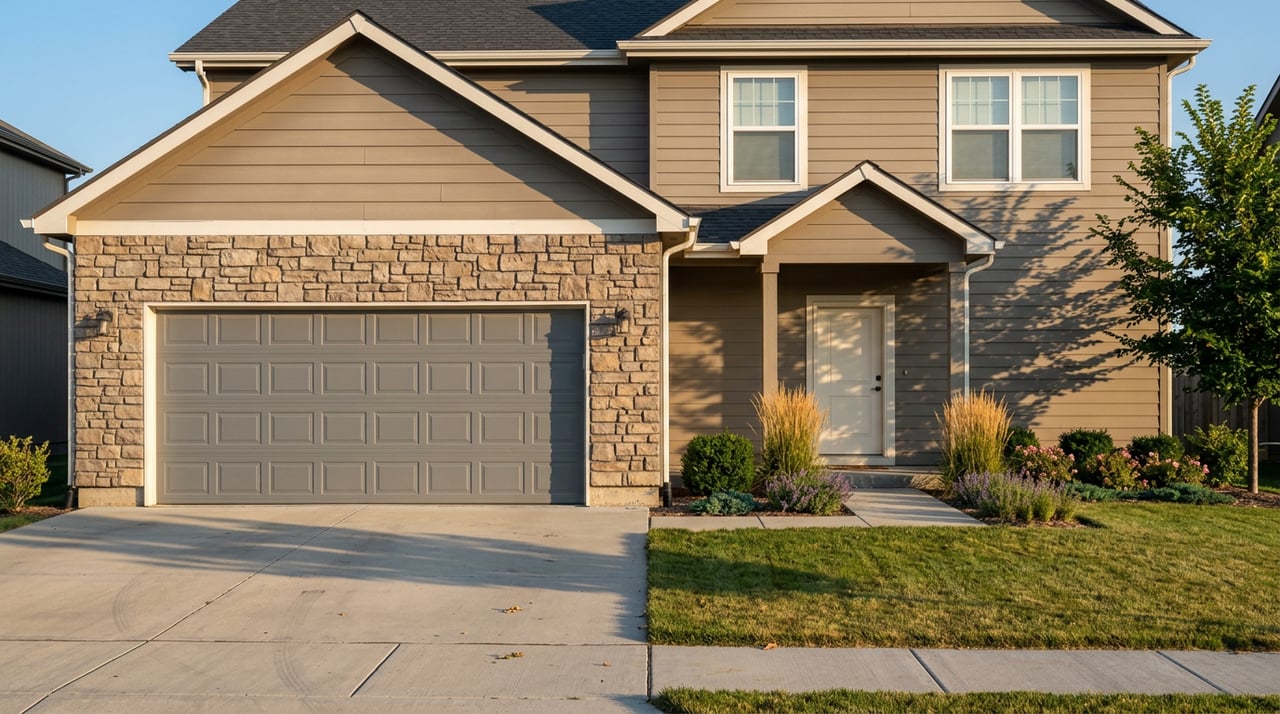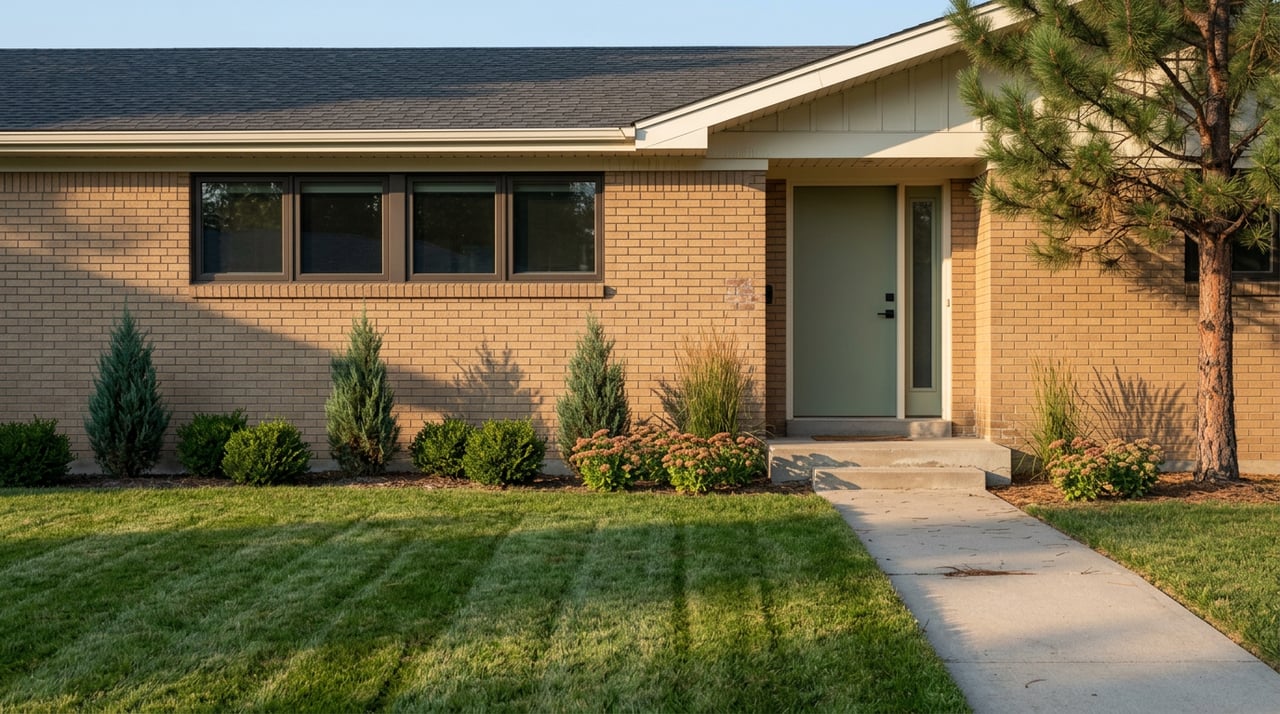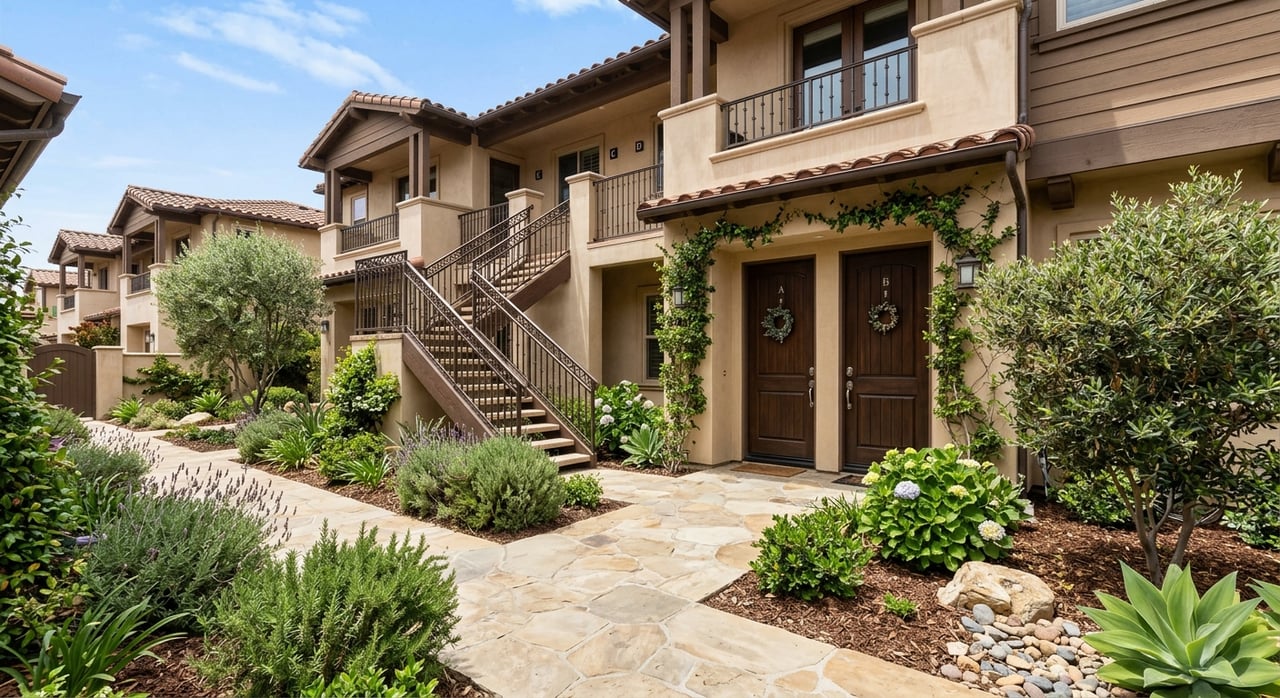
Wondering whether a condo or townhome in Littleton could give you the right mix of budget, convenience, and lifestyle? You are not alone. Many buyers want a home that feels manageable, well-located, and practical for daily life without taking on all the upkeep that often comes with a detached house. In this guide, you will learn how condo and townhome living fits into Littleton’s housing market, what these homes usually look like, and what to review before you buy. Let’s dive in.
Attached Homes Matter in Littleton
Condo and townhome living is not a niche option in Littleton. According to the city’s 2019 housing study, attached housing made up 47% of the housing stock, and the city’s planning documents treat townhomes, condos, patio homes, and similar homes as an important part of the local housing mix.
That matters if you are trying to find a home that fits your budget, your household size, or your preferred level of maintenance. Littleton’s housing study also found an average household size of 2.29 and a relatively large share of homes with fewer than three bedrooms, which helps explain why smaller attached homes play a meaningful role in the market.
Why Buyers Consider Condos and Townhomes
For many buyers, attached housing offers a more approachable path into Littleton. Current market figures show a citywide home value around $631,526, while live median list prices are about $331,000 for condos and $490,000 for townhouses.
That price gap can make a real difference if you are a first-time buyer, a downsizer, or simply looking for a lower-maintenance option. It also gives you more ways to stay in Littleton without stretching all the way to the cost of many detached homes.
Convenience Is a Big Draw
One of the biggest reasons buyers choose a condo or townhome is simplicity. In many attached communities, exterior upkeep, landscaping, and some shared maintenance responsibilities are handled through the homeowners association.
That can be appealing if you want to spend less time on yard work and more time enjoying your home and the surrounding area. It can also be a practical fit if you travel often, work long hours, or want a home that feels easier to manage day to day.
Location Can Add Lifestyle Value
Littleton’s transportation planning highlights roadways, bus routes, bike lanes, sidewalks, trails, and two light rail stations. For attached-home buyers, that means some locations may support a more connected lifestyle with easier commuting and less reliance on driving for every trip.
Littleton as a whole is not considered highly walkable, with a Walk Score of 40. Still, the city’s planning documents point to downtown-adjacent areas and growth corridors as places where pedestrian and bicycle access can be stronger, which can make condo or townhome living especially appealing in those spots.
What Littleton Condos Usually Look Like
Current condo listings in Littleton show a fairly broad range of sizes, but most tend to be compact to mid-sized. Sample listings include homes around 743 to 1,298 square feet, with examples such as 1 bed, 1 bath at 837 square feet and several 2 bed, 2 bath options from roughly 993 to 1,134 square feet.
You will also see some larger condos, including examples around 1,219 square feet with 3 bedrooms and 2 baths. In general, condos may be the better fit if you want a smaller footprint, a lower price point, or a simpler ownership experience.
What Littleton Townhomes Usually Look Like
Townhomes in Littleton generally offer more space than condos and often feel a bit more like a traditional house. Current listing examples commonly range from about 1,200 to 2,173 square feet, with many offering 2 to 3 bedrooms and 2 to 3 baths.
Examples include 2 bed, 3 bath homes around 1,266, 1,380, and 1,500 square feet, along with 3 bedroom options around 1,540 to 2,173 square feet. If you want more room to spread out but still like the idea of attached living, a townhome may give you the best middle ground.
Condo vs. Townhome in Littleton
If you are deciding between the two, it helps to think about space, budget, and how much shared oversight you are comfortable with.
| Feature | Condo | Townhome |
|---|---|---|
| Typical price point | Usually lower | Usually higher than condos |
| Common size range | Often smaller | Often larger |
| Layout feel | More compact | More house-like |
| Maintenance model | More shared elements | Shared elements plus more private living space |
| Best fit for | Buyers prioritizing budget and simplicity | Buyers wanting more space without a detached home |
This is a general guide, not a rule for every property. The exact ownership structure and maintenance responsibilities can vary by community, which is why the governing documents matter so much.
The Main Tradeoff: Convenience vs. Control
Every housing type comes with tradeoffs, and attached housing is no exception. The Colorado Division of Real Estate notes that maintenance issues are more common in attached communities like condos and townhomes, and that HOA boards control maintenance and landscaping decisions within the association’s rules.
In practical terms, that often means you may have less exterior work to handle yourself, but you also have less individual control over certain decisions. You are buying into a shared system, not just a home.
Shared Rules Are Part of the Deal
Before you buy, it is important to understand what the community allows and what it limits. Rental rules, pet rules, parking rules, and restrictions on exterior changes can all affect how the home works for your lifestyle.
What feels minor during a showing can become important after closing. A good buyer strategy is to treat these rules as part of the property itself, not as an afterthought.
HOA Review Is Essential
In Colorado, condo and townhome buyers should pay close attention to the HOA documents and financials. The legal framework is governed by CCIOA, and the Colorado Division of Real Estate says there is no central repository for HOA governing documents.
Once you are under contract, you are entitled to the documents listed in section 7 of the Colorado Contract to Buy and Sell (Residential). One of the most important documents is the declaration, because it outlines common elements, plat boundaries, assessment allocations, and use restrictions.
What to Review Before You Buy
Looking at the monthly HOA fee alone is not enough. A smarter review includes the bigger financial and operational picture.
Use this checklist when comparing communities:
- Declaration
- HOA budget
- Reserve study
- Insurance coverage
- Financial statements
- Reserve fund balances
- Meeting minutes
- Rental rules
- Pet rules
- Parking rules
- Any pending special assessments
- Any known litigation
Colorado law also requires associations to keep and make available records such as financial statements, reserve fund balances, insurance policies, and meeting minutes. Those records can help you evaluate whether a community is being run in a stable and transparent way.
Why Reserves and Insurance Matter
HOA financial health is especially important in attached housing because common-element costs may affect many owners at once. Colorado’s legislative guidance notes that HOAs must insure common elements, while unit owners usually need their own coverage for private property and liability.
Regular dues typically fund operations, while special assessments may be used for specific repairs or replacement projects. Reserve studies are used to estimate long-term expenses, so they can offer useful clues about whether today’s dues line up with tomorrow’s needs.
Who Condo and Townhome Living Fits Best
In Littleton, attached homes can be a strong fit for several types of buyers. The city’s planning documents and housing study point to ongoing demand for smaller attached homes and other attainable options.
That often aligns well with first-time buyers, downsizers, and busy professionals who value convenience and a smaller maintenance footprint. Condos may be especially attractive if your top goal is affordability, while townhomes often appeal to buyers who want more room and a more house-like layout.
How to Shop Smarter in Littleton
If you are searching for a condo or townhome in Littleton, focus on more than the photos and finishes. The location, ownership structure, HOA health, and community rules can have just as much impact on your day-to-day experience as the kitchen or floor plan.
A strong buying plan usually includes:
- Comparing condos and townhomes by both price and usable space
- Looking closely at commute routes and connected amenities like trails, sidewalks, and transit access
- Asking what the HOA fee covers
- Checking whether dues have changed over time
- Reviewing upcoming repair projects or special assessments
- Confirming rental, pet, and parking rules early
- Verifying whether the declaration matches how the home is being marketed
That process can help you avoid surprises and choose a home that fits both your budget and your routine.
If you are weighing condo or townhome living in Littleton, a clear local strategy can save you time and stress. The right fit depends on your goals, your budget, and how you want to live day to day. When you want practical guidance on Littleton neighborhoods, attached-home options, and what to watch for in the buying process, connect with Tiffany Alexander.
FAQs
What is the difference between a condo and a townhome in Littleton?
- In Littleton, condos are often smaller and more budget-friendly, while townhomes are usually larger and more house-like. The exact ownership and maintenance setup can vary by community, so you should review the declaration closely.
What should you review before buying a Littleton condo or townhome?
- You should review the declaration, HOA budget, reserve study, insurance coverage, meeting minutes, financial statements, reserve balances, and any rules about rentals, pets, parking, special assessments, or known litigation.
Are Littleton condos cheaper than Littleton townhomes?
- Current live market figures show a median list price of about $331,000 for condos and about $490,000 for townhouses in Littleton, so condos are generally the more budget-friendly attached option.
Do Littleton townhomes usually have more space than condos?
- Yes. Current listings suggest Littleton condos often range from roughly 743 to 1,298 square feet, while townhomes commonly range from about 1,200 to 2,173 square feet.
Are HOA fees important when buying a Littleton attached home?
- Yes. HOA fees matter, but you should also look at what the fee covers, whether reserves appear adequate, whether special assessments are planned, and how the association handles insurance and maintenance.
Is condo or townhome living in Littleton good for commuters?
- It can be, especially in locations closer to downtown-adjacent areas and growth corridors where Littleton’s planning documents note stronger access to sidewalks, bike routes, bus service, and light rail.