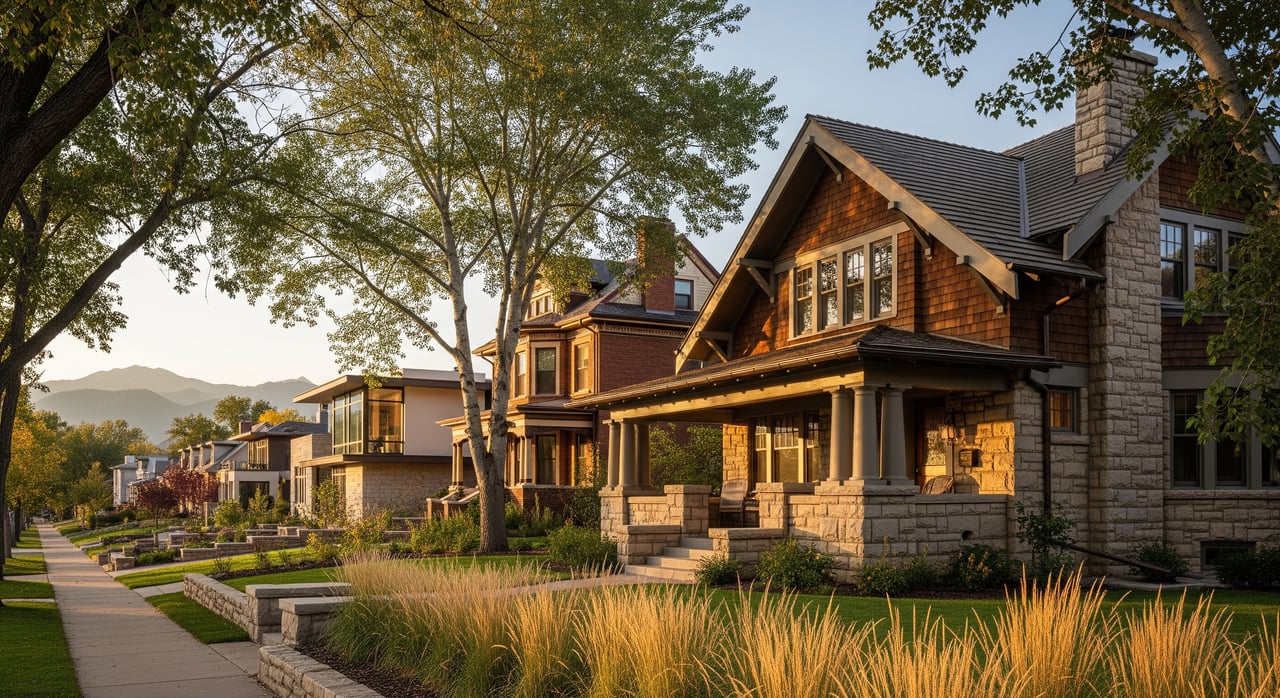
Craving a neighborhood with character and easy access to the mountains, but not sure where to start in Littleton? You’re not alone. With historic streets, foothill-adjacent suburbs, and newer communities near C‑470, choosing your fit can feel overwhelming. This guide compares Littleton’s core areas, explains common home styles, and highlights the outdoor amenities and practical checks that matter when you buy. Let’s dive in.
Littleton at a glance
Littleton is a mid-sized city in the Denver metro area with about 45,652 residents based on the 2020 U.S. Census. The city spans multiple counties, primarily Arapahoe with portions in Jefferson and Douglas. That can affect property taxes, school assignments, and permitting.
You get strong regional access via C‑470 and the I‑25 corridor. Many buyers are drawn to the blend of historic Old Town charm, established west-side neighborhoods, and newer developments with modern conveniences. Littleton also offers extensive parks and trails, including the South Platte River corridor, Hudson Gardens, and nearby state parks.
Old Town Littleton
Character and lifestyle
Old Town centers on a walkable Main Street with shops, cafes, galleries, and community events. Streets have mature trees and a historic fabric that feels intimate and connected. If you like to park the car and stroll to dinner, this area stands out.
Homes and styles
You’ll see late 19th and early 20th century homes, including Victorian, Craftsman, bungalows, and brick cottages. Many residences sit on smaller lots with narrower setbacks, and some blocks include infill townhomes or condo conversions. Homes often have finished basements and footprints that range from modest to expanded through renovations.
Who it fits
This area fits buyers who value walkability, historic character, and a lower-maintenance lot. Professionals, downsizers, and anyone who wants local retail within a short walk often prioritize Old Town. If you enjoy a front porch and unique architectural details, this is a strong match.
Commute and transit
Old Town is served by regional transit options that connect to the south metro and central Denver. Driving to downtown Denver is typically shorter than from many outer suburbs, with timing depending on traffic. Confirm current transit lines and schedules for your exact address.
Buyer checklist
- Confirm historic-district and design guidelines if you plan exterior updates.
- Review flood maps for homes near the South Platte River corridor.
- Inspect older systems, such as electrical and plumbing, plus windows and insulation.
West-side suburban enclaves
Character and setting
West of downtown toward the foothills, neighborhoods offer larger lots, curving streets, and cul-de-sacs. Landscaping tends to be mature and views toward the foothills are common on select streets. Adjacent areas include Ken Caryl and other suburbs that share a similar feel.
Homes and sizes
Housing spans mid-century ranches and split-levels to 1970s–1990s tract homes, with newer remodels sprinkled in. Floor plans often run 1,200 to 3,000 or more square feet, with many single-story options. Yards are generally larger than in Old Town.
Who it fits
These enclaves appeal if you want more square footage, a traditional yard, and easy access to mountain recreation. Single-level living is easier to find, which some buyers prefer. Many parks and neighborhood green spaces are nearby.
Commute and access
You get convenient routes to C‑470 and regional connectors like Wadsworth and Hwy 285. Commutes to the Denver Tech Center and I‑25 are workable, depending on traffic patterns. As always, test your typical drive times.
Buyer checklist
- Expect HOAs in many newer subdivisions and review their rules and fees.
- Anticipate a price premium for properties with standout views.
- Evaluate renovation potential in older homes, including roof age, windows, and insulation.
C‑470 corridor neighborhoods
Character and conveniences
Along and south of C‑470 you’ll find newer single-family subdivisions, townhome communities, and mixed-use hubs with fresh retail. These neighborhoods emphasize modern layouts, energy-efficient features, and community amenities. Many buyers appreciate the move-in-ready feel and straightforward maintenance.
Homes and styles
Construction here is largely 1990s to present. Townhomes often range around 1,100 to 1,800 square feet, while single-family homes can reach 3,500 square feet or more. Open-concept plans and attached garages are common.
Who it fits
Choose this corridor if you want newer construction, lower immediate maintenance, and commuter-friendly access. It is also attractive if you are priced out of older central areas but still want proximity to Littleton and regional job centers.
Commute and access
Access to C‑470 is a major plus for reaching I‑25, the Denver Tech Center, and west Denver suburbs. Newer retail and daily conveniences are usually close by. As always, consider lot orientation if you are near high-traffic roads.
Buyer checklist
- HOAs and design controls are common, so review community standards before you buy.
- Newer homes can have higher price per square foot for fresh finishes and amenities.
- For parcels near drainageways, verify local stormwater and floodplain mapping.
Common Littleton home styles
Historic-era homes
- Styles: Victorian, Craftsman, bungalows, brick cottages.
- Features: Original woodwork, front porches, smaller kitchens that are often updated.
- Buyer notes: Confirm historic-district requirements. Inspect for older wiring or plumbing and assess foundations for settling.
Mid-century suburban
- Styles: Ranch and split-level with traditional brick facades.
- Features: Larger lots, carports or attached garages, lower rooflines.
- Buyer notes: Strong candidates for open-plan remodels, basement finishing, and energy upgrades.
Late 20th century tract homes
- Styles: Contemporary traditional with two-story family plans.
- Features: Community amenities, attached garages, larger family rooms.
- Buyer notes: Many have HOAs. Mechanicals may be nearing replacement depending on build date.
New construction and infill
- Styles: Modern and neo-traditional single-family, paired homes, and townhomes.
- Features: Energy-efficient systems, open kitchens, community green spaces.
- Buyer notes: Warranties may be available. Expect HOA governance and a premium for new finishes.
Practical checks across all styles
- Basements: Inspect for moisture, proper egress, and sump systems.
- Energy efficiency: Older homes may need window, insulation, or HVAC upgrades.
- Flood and drainage: Confirm FEMA and local floodplain maps, especially near the South Platte corridor.
- Permits: Verify any past work was permitted and closed out.
Outdoor living and recreation
Littleton’s outdoor access is a standout. The South Platte River corridor weaves through the city with connected trail networks. Hudson Gardens offers seasonal events and gardens, and you are within reach of state parks like Chatfield and Roxborough for boating, hiking, and unique geology.
Regional trails like the High Line Canal add daily walking and bike options. Proximity to parks and trailheads can support lifestyle and resale appeal. If you are next to a popular trailhead, check parking patterns and weekend noise.
Transit, roads, and commute
Littleton includes RTD light-rail and bus routes that connect to central Denver and regional employment centers. Specific stations and lines vary by neighborhood, so confirm details for each property you consider. Transit can be a helpful option when winter weather or rush hour slows the highways.
For drivers, C‑470 anchors the southern edge of the city and connects quickly to I‑25. Wadsworth and US‑85 are key north-south and regional corridors. If you are evaluating a home close to a major road, check noise levels at different times of day and consider fences or sound barriers.
Schools, taxes, and permitting basics
Much of Littleton is served by Littleton Public Schools. Some addresses may fall into adjacent county districts because city boundaries cross county lines. Always verify current school assignments with the district and the Colorado Department of Education before you rely on a listing.
Property taxes vary by county and by special districts like fire, library, or parks. Use the county assessor for an exact estimate tied to a specific parcel. For improvements, permits are handled by the city or county, and historic-district properties may require design review before exterior changes.
How to choose your fit
- Walkability or yard size: Old Town offers short walks to shops, while west-side enclaves and the C‑470 corridor often deliver larger yards.
- Home age and project list: Historic and mid-century homes may need system updates, while newer builds tend to have lower immediate maintenance.
- HOA comfort: Expect more HOA presence in newer subdivisions.
- Commute pattern: Old Town is closer to central Denver, while C‑470 offers fast highway access to multiple job centers.
- Renovation appetite: Ranches and split-levels are flexible for reconfigurations. Historic homes may involve design review.
- Floodplain and drainage: Double-check where water flows around each property and any mapped risk.
Touring tips and what to look for
- Visit at different times to assess traffic, light, and noise.
- Review roof, HVAC, windows, and insulation to gauge near-term costs.
- Walk the basement and exterior grading to look for moisture issues.
- Ask for HOA documents early to confirm rules, fees, and amenities.
- If the home is older, verify permits and consider a specialist inspection for electrical and plumbing.
- For Old Town, review historic guidelines before planning exterior changes.
Ready to explore Littleton in person?
If you’re relocating or buying your first home in Littleton, a guided neighborhood tour can clarify tradeoffs like schools, lot size, commute, and home style. Schedule a personalized tour with the DeLUX Team to compare Old Town, west-side enclaves, and C‑470 corridor options side by side.
FAQs
What are typical home prices and monthly costs in Littleton?
- Numbers change often. Use current MLS data for pricing and the county assessor for tax estimates. Your lender can estimate monthly payments based on your price range.
Are parts of Old Town in a historic district, and what does that mean?
- Yes, portions have preservation overlays. Exterior changes may require design review, so confirm rules before budgeting renovations.
Which neighborhoods are in Littleton Public Schools?
- Much of the city is served by the district, though boundaries vary. Verify each property’s assignment with the district and the Colorado Department of Education.
How common are HOAs in Littleton?
- Many newer subdivisions near C‑470 have HOAs. Some west-side neighborhoods do too, while historic areas vary. Review rules and fees during due diligence.
Is flood risk a concern near the South Platte River?
- Some properties near the river or drainageways fall within mapped flood zones. Check FEMA and local floodplain maps for the exact lot.
How long is the commute to downtown Denver or the Denver Tech Center?
- It depends on the neighborhood and time of day. Old Town can offer shorter drives to downtown, and C‑470 provides fast highway access. Confirm with real-world tests and transit schedules.
What home styles are easiest to renovate in Littleton?
- Mid-century ranches and split-levels are often flexible for open plans and suite additions. Historic homes can also be updated but may involve design guidance.
Can I add an ADU or park an RV at my Littleton home?
- That depends on zoning and HOA rules. Confirm local regulations and any community restrictions before you plan for an ADU or RV parking.